Pantry Inventory Tracker: The Complete Guide to Never Waste Food Again
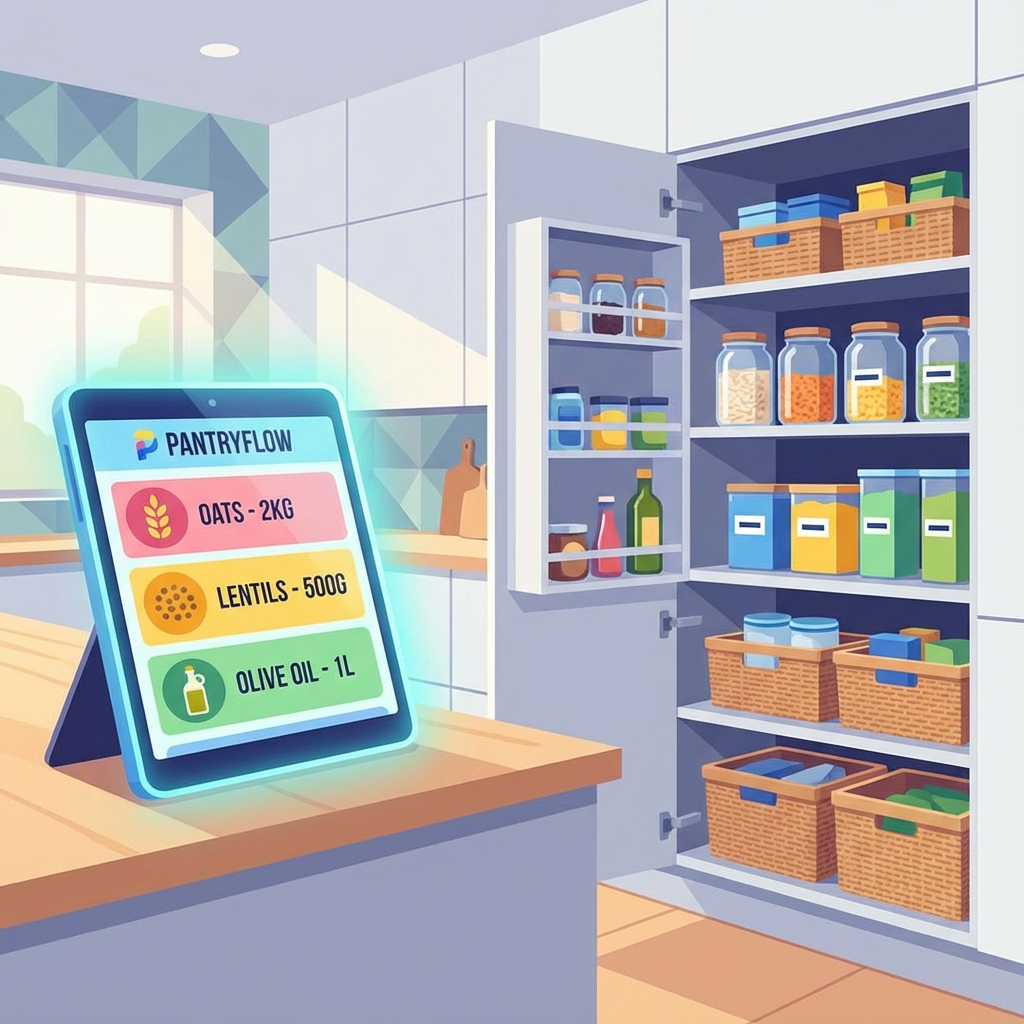
You bought pasta last week. Or was it two weeks ago? You open the pantry and find three boxes. Meanwhile the milk you needed expired yesterday and you did not even know you had it.
Sound familiar? You need a pantry inventory tracker.
Why You Need a Food Inventory System
The average family throws away $1500 worth of food every year. Not because they want to. Because they forget what they have. They buy duplicates. They let things expire. They lose track.
A pantry inventory tracker solves all of this. You know exactly what you have. What is running low. What is about to expire. No more guessing. No more waste.
Spreadsheets vs Apps: The Great Debate
You have two main options for tracking your pantry inventory. Spreadsheets or apps. Let's be honest about both.
The Spreadsheet Method
Pros: Free. Customizable. You control everything.
Cons: You have to update it manually. Every single time. You buy groceries? Update the spreadsheet. You use an ingredient? Update the spreadsheet. You are tired and forget? Your system breaks down.
Spreadsheets work if you are extremely disciplined. Most people are not.
The App Method
Pros: Quick updates. Expiration alerts. Shopping list integration. Works on your phone.
Cons: You have to find a good one. Many apps are overcomplicated or cost money.
EpuloWeek's pantry tracker is designed to be simple. Add items in seconds. Get alerts before things expire. See everything at a glance.
How to Set Up Your Pantry Inventory Tracker
Whether you use a spreadsheet or an app, the process is the same.
Step 1: The Great Pantry Audit
Pull everything out. Yes everything. This is the only way to see what you actually have. Check expiration dates. Throw away anything expired or suspicious.
Group similar items together. All the pasta. All the canned goods. All the spices. This makes the next step easier.
Step 2: Log Everything
Now comes the tedious part. Log every item. Include:
- Item name
- Quantity
- Expiration date (if applicable)
- Location (pantry, fridge, freezer)
This takes time. Do it anyway. You only have to do this deep dive once.
Step 3: Create a System for Updates
The system only works if you keep it updated. You need a habit. Here are options:
- Update immediately after grocery shopping
- Update while putting groceries away
- Update before making your shopping list
Pick one. Stick to it. Consistency matters more than perfection.
The FIFO Method for Home Kitchens
FIFO stands for First In First Out. Restaurants use this to manage inventory. You can too.
When you buy new items, put them behind the old items. Use the old items first. This prevents food from hiding in the back and expiring.
A food expiration tracker makes this automatic. It shows you what needs to be used first. No more mental math.
Common Pantry Tracking Mistakes
Mistake 1: Tracking Everything
You do not need to track salt and pepper. Focus on items that expire or that you buy regularly. Keep it simple.
Mistake 2: Forgetting the Freezer
The freezer is where food goes to be forgotten. Track it too. That chicken from six months ago? Time to use it or lose it.
Mistake 3: Not Using the Data
Tracking is pointless if you do not use the information. Check your inventory before shopping. Plan meals around what you have. Actually use the system.
How a Pantry Tracker Saves Money
Let's do the math. Say you waste $30 worth of food per week. That is $1560 per year. A pantry inventory tracker can cut that in half or more.
You save money by:
- Not buying duplicates
- Using food before it expires
- Shopping your pantry first
- Meal planning around what you have
Our guide to reducing your grocery bill shows you exactly how to do this.
Integration with Meal Planning
A pantry tracker is most powerful when connected to meal planning. Here is how it works:
- Check your pantry inventory
- See what needs to be used soon
- Plan meals around those ingredients
- Only buy what you need to complete the meals
This is reverse meal planning. Instead of planning meals and then shopping, you shop your pantry first. Then fill in the gaps.
Check out our pantry challenge guide to see this in action.
The Best Pantry Inventory Tracker
What makes a good pantry inventory tracker? Here is what matters:
- Speed: Adding items should take seconds, not minutes
- Alerts: Automatic notifications for expiring items
- Integration: Works with your meal planner and shopping list
- Mobile: Update from anywhere
- Simple: Not overcomplicated with features you will never use
EpuloWeek checks all these boxes. Quick add feature. Expiration alerts. Integrated with meal planning and shopping lists. Free to use.
Start Small, Build the Habit
Do not try to track everything perfectly from day one. Start with the items that matter most. The things you buy regularly. The things that expire quickly.
Build the habit first. Expand the system later. Consistency beats perfection.
Ready to stop wasting food and money? Download EpuloWeek and start tracking your pantry today. Your wallet will thank you.